






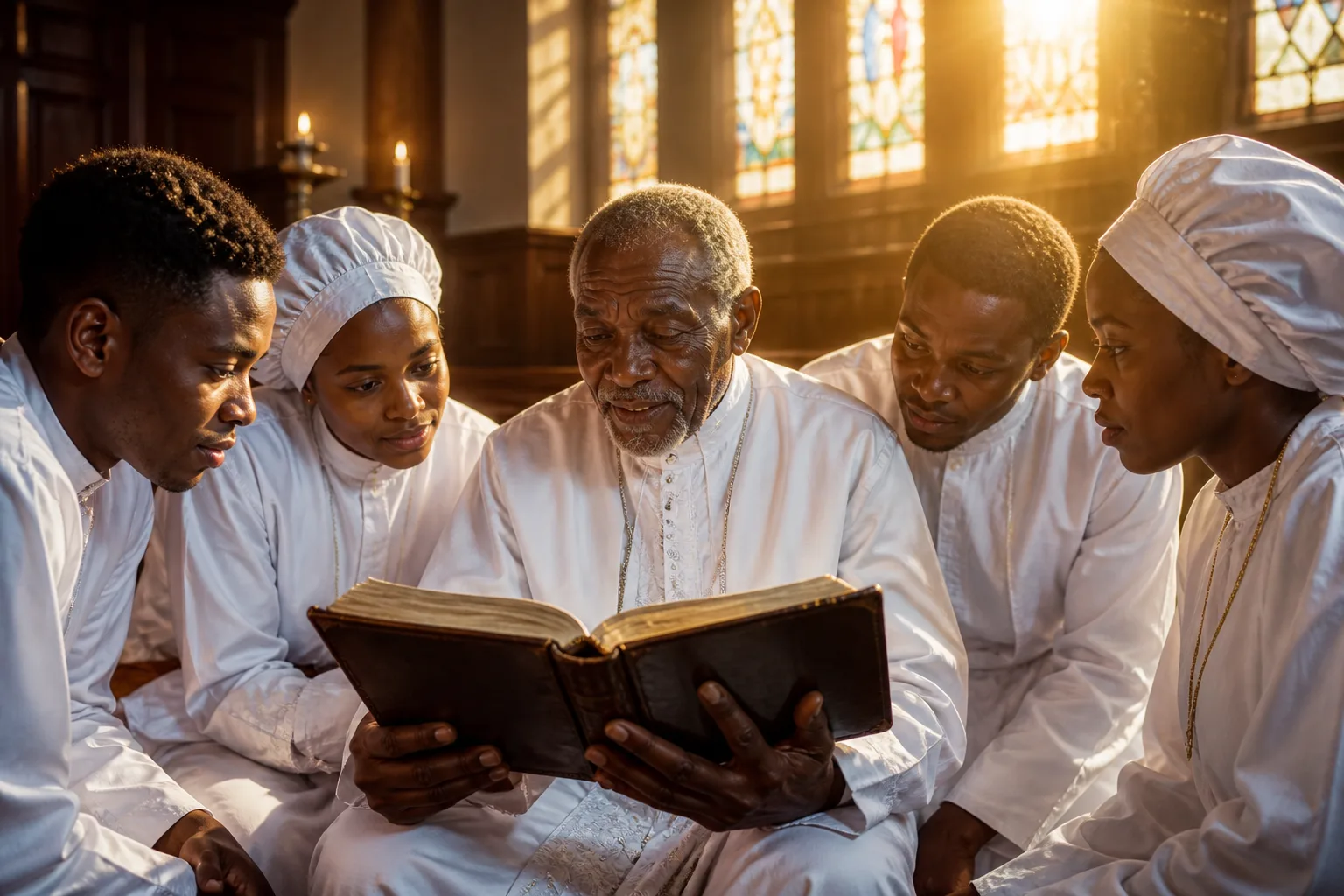

Bible Teaching for Christian Living in Faith Community
The question many believers ask themselves each morning is simple yet profound: How do I live out what the Bible teaches in a world that constantly pulls me in opposite directions? Whether you’re facing a difficult workplace decision, struggling with family conflict, or seeking deeper purpose, Bible teaching for Christian living in faith community offers both timeless wisdom and practical guidance. The Celestial Church of Christ recognizes that Scripture is not merely a historical document to study from a distance—it is living instruction meant to transform how we think, speak, and act every single day.
Thank you for reading this post, don't forget to subscribe!This article will help you understand how to bridge the gap between what you learn from Scripture and how you actually live. You’ll discover practical ways to apply Bible teachings within your faith community, receive guidance on specific daily challenges, and learn how fellowship strengthens your ability to follow Christ consistently.
Understanding Bible Teaching as Living Instruction
Before we discuss application, we must recognize what Bible teaching truly is. When Jesus taught the Sermon on the Mount, He wasn’t offering abstract philosophy. He was giving His followers concrete instruction for living differently. “Therefore whosoever heareth these sayings of mine, and doeth them, I will liken him unto a wise man, which built his house upon a rock” (Matthew 7:24, KJV).
The apostle Paul echoed this emphasis on doing, not merely knowing: “But be ye doers of the word, and not hearers only, deceiving your own selves” (James 1:22, KJV). This distinction matters enormously. A Christian can memorize Scripture, attend church regularly, and still live in ways that contradict biblical teaching. True Bible teaching for Christian living requires action—thoughtful, intentional, community-supported action.
The Celestial Church of Christ emphasizes that this transformation happens through the Holy Spirit’s work in conjunction with our willing obedience. You cannot manufacture spiritual maturity through willpower alone. Yet you also cannot expect growth while remaining passive. Bible teaching calls us into active partnership with God.
Core Principles for Applying Scripture Daily
Applying Bible teachings to daily life begins with understanding several foundational principles that work together:
Know What Scripture Says
You cannot apply what you don’t know. This seems obvious, yet many believers rely on secondhand summaries of Scripture rather than engaging directly with God’s Word. Developing a daily Bible study habit creates the foundation for all other application. This doesn’t require hours of study. Even fifteen minutes of focused reading, reflection, and prayer creates space for the Holy Spirit to speak to your heart.
As you read, ask yourself these simple questions: What does this passage tell me about God? What does it teach me about myself? What specific action or attitude change does this suggest for my life? Writing answers in a journal helps clarify your thinking and creates a record you can review later.
Understand the Context
Scripture was written in specific historical, cultural, and literary contexts. A proverb operates differently than a narrative. A command given to ancient Israel may teach a principle applicable today without requiring literal obedience to the original situation. For example, the command to greet one another with a holy kiss (1 Corinthians 16:20) reflected the greeting customs of first-century believers. The principle—showing genuine Christian affection and hospitality—applies universally, though the expression differs in your culture.
Taking time to understand context prevents misapplication. Many online resources and Bible commentaries can help you grasp the historical setting and original audience. This deeper understanding transforms Bible teaching from something that seems outdated into something remarkably relevant.
Connect Teaching to Life Situations
The real test of Bible teaching comes when you face actual challenges. Perhaps you’re dealing with a dishonest coworker. Scripture teaches about honesty, generosity, and responding to wrongs without retaliation. How do these teachings work together in your specific situation? Maybe you need to be honest yourself while setting boundaries. Perhaps you need to forgive without enabling further wrong. The Bible’s teaching is clear, but application requires thinking through the specifics.
This is where the community becomes invaluable. When you share your situations with mature believers, they help you see how Scripture addresses your unique circumstances. What worked in their experience becomes a learning opportunity for you.
Practical Bible Lessons for Believers in Real Situations
Let’s move from principles to actual applications. Here are Bible teachings directly relevant to challenges you likely face:
Managing Money and Resources
Scripture teaches extensively about finances, yet many Christians struggle to connect biblical principle with actual spending decisions. The Bible doesn’t forbid wealth, but it warns against loving money: “For the love of money is the root of all evil: which while some coveted after, they have erred from the faith, and pierced themselves through with many sorrows” (1 Timothy 6:10, KJV).
A practical application: Ask whether your spending reflects your stated values. If you claim to value family but spend little time with them, your budget reveals the disconnect. If you believe in generosity but rarely give to others, your finances expose your actual priorities. Bible teaching invites you to align your resources with your faith, not merely your impulses.
Your faith community can help here. Discussing financial challenges with others who share your values creates accountability and prevents isolation. You discover you’re not alone in struggling with contentment or generosity.
Navigating Relationships and Conflict
The Bible addresses relationships extensively because they matter eternally. “Therefore if thou bring thy gift to the altar, and there rememberest that thy brother hath ought against thee; Leave there thy gift before the altar, and go thy way; first be reconciled to thy brother, and then come and offer thy gift” (Matthew 5:23–24, KJV). Jesus makes clear that spiritual practice means nothing without right relationships.
When you hurt someone, the biblical teaching is straightforward: acknowledge it, apologize, and work toward reconciliation. When someone hurts you, you’re called to forgive, which doesn’t mean pretending the hurt didn’t happen but releasing your right to punish. These teachings feel impossible until you experience them working in community, where others model forgiveness and help you through the process.
Finding Purpose and Making Decisions
Many believers feel lost about their life’s direction. Bible teaching offers guidance here too. God cares about your choices and wants to guide you. The teaching isn’t that God will speak audibly about whether to take a job or move to a new city, though He can. Rather, Scripture provides principles: Does this opportunity align with your gifts? Does it allow you to serve others and glorify God? Do wise believers in your life affirm it? Do you have peace about it?
As you apply these principles consistently, you develop discernment. You begin recognizing God’s voice not as mystical but as increasingly clear wisdom that emerges from knowing Scripture, prayer, and community counsel.
Managing Emotions and Thoughts
Anxiety, anger, despair—everyone experiences them. Bible teaching doesn’t deny these emotions exist; it offers tools for processing them. “Rejoice evermore. Pray without ceasing. In every thing give thanks” (1 Thessalonians 5:16–18, KJV). This isn’t toxic positivity that denies real pain. Rather, it’s the practice of returning your attention to God’s character and faithfulness even while experiencing difficult emotions.
Applying this teaching practically means: When anxiety rises, pause and name something you’re genuinely grateful for. When anger flares, take time to pray before responding. When despair threatens, remind yourself of times God has helped you before. This spiritual discipline rewires your brain over time, making peace your default rather than anxiety.
Spiritual Growth Through Scripture in Community Context
You cannot fully live out Bible teaching in isolation. The Christian life is inherently communal. Biblical fellowship in Christian community isn’t an optional enhancement; it’s central to spiritual growth.
How Community Strengthens Application
When you commit to applying Scripture within a faith community, several powerful things happen. First, you gain accountability. Knowing others will ask how you’re doing with your Bible reading and application keeps you consistent. Second, you receive encouragement. When you struggle to live out what Scripture teaches, seeing others succeed—and hearing their struggles—reminds you that this is a shared journey. Third, you benefit from diverse perspectives. Someone in your community has likely faced a situation similar to yours and can share what Scripture taught them.
The Celestial Church of Christ recognizes that community features make genuine discipleship possible. Small groups, prayer partners, mentoring relationships—these structures exist to help you apply what you’re learning.
Learning From Others’ Application
One of Scripture’s teaching methods is narrative. The Bible shows you characters wrestling with the same issues you face. David struggled with lust, jealousy, and murder—and the Bible doesn’t hide this. Peter denied knowing Jesus, yet became bold in proclaiming Him. These stories aren’t meant to shock you; they’re meant to show you that following Christ is a process, not an instant perfection.
Similarly, listening to mature believers share how they’ve applied Scripture transforms your understanding. When a godly woman tells you how she forgave someone who deeply hurt her, you see that forgiveness isn’t a feeling but a choice supported by God’s grace. When a man shares how integrity in small matters strengthened his character for larger tests, you grasp why Bible teaching emphasizes faithfulness in little things.
Using Spiritual Disciplines to Strengthen Faith
Spiritual disciplines strengthen Christian growth in community by creating regular practices that embed Scripture into your daily rhythm. These aren’t exhausting additions to an already busy life; they’re practices that actually simplify life by clarifying what truly matters.
Bible Study and Meditation
Beyond casual reading, studying Scripture—looking up cross-references, examining word meanings, comparing translations—deepens your understanding. Meditation takes this further, slowly turning Scripture over in your mind throughout the day. A single verse can occupy your thoughts for hours as you consider its implications for your relationships, work, and choices.
Prayer and Reflection
Prayer isn’t a formal ritual; it’s conversation with God about how you’re doing applying what you’ve learned. “Lord, I read today that I should forgive as You’ve forgiven me. I’m struggling with forgiving my friend. Help me understand what genuine forgiveness looks like in this situation.” This kind of honest prayer connects Scripture directly to your needs.
Service and Obedience
You learn Bible teaching through doing it. Serving others teaches you generosity in ways reading about generosity cannot. Practicing honesty in small matters develops the character to maintain integrity in larger ones. As you obey, you discover that God’s teachings actually work—they produce peace, joy, stronger relationships, and a clearer conscience.
Overcoming Obstacles to Applying Bible Teaching
Knowing what Scripture teaches and actually living it out are different challenges. Here are common obstacles and how to address them:
The Gap Between Knowing and Doing
You might understand intellectually that God calls you to generosity, yet find yourself reluctant to give. This gap is real and common. The solution isn’t guilt; it’s grace and practice. Start with small acts of generosity. As you experience the joy and freedom that follow, your heart shifts. Bible teaching works progressively, not magically.
Conflicting Messages From Culture
Society teaches self-protection; Scripture teaches generosity. Culture celebrates self-promotion; the Bible emphasizes humility. These contradictions create internal tension. Encouragement for believers in difficult times acknowledges that living differently from your culture requires courage. You need community support to sustain this countercultural living.
Discouragement and Failure
You’ll fail. You’ll lose your temper, make a selfish choice, speak unkindly. This isn’t failure of the Bible’s teaching; it’s evidence you’re human. Scripture includes the doctrine of repentance precisely for this reality. You acknowledge the failure, confess it, turn around, and try again. Each cycle strengthens your character.
Unclear Application
Sometimes Scripture’s teaching seems clear, but applying it to your specific situation feels ambiguous. Should you leave a job where leadership is unethical, or stay and try to be a positive influence? Should you confront someone, or let it go? These situations require prayer, reflection, and advice from mature believers. Trust the process, even when clarity doesn’t come immediately.
A Practical Action Plan for Applying Bible Teaching
Here’s a concrete framework for integrating Bible teaching into your daily Christian living:
Week One: Establish a Study Practice
Choose a Bible passage, book, or reading plan. Commit to fifteen minutes daily for one week. Read slowly. Write down one observation and one question. Before closing, pray briefly about what you’ve read. This week creates the foundation.
Week Two: Begin Journaling Application
As you read, write down one way this teaching might apply to your actual life. Don’t overthink it. “This passage about forgiveness reminds me I need to talk to my brother.” That’s enough. This week connects Scripture to your specific reality.
Week Three: Find an Accountability Partner
Share your commitment with someone in your faith community. Tell them one area where you’re trying to apply Bible teaching. Ask them to check in with you weekly. This accountability strengthens your follow-through tremendously.
Week Four: Take One Specific Action
Based on four weeks of study and reflection, take one concrete step. Have that conversation. Make that financial decision differently. Practice that discipline. Experience Bible teaching producing actual change.
Ongoing: Participate in Community Study
Join Celestial Church of Christ gatherings focused on Scripture. Participate in small group study. Share what you’re learning. Listen to what others discover. This communal learning deepens everyone’s understanding and application.
How the Celestial Church Supports Bible Teaching Application
The Celestial Church of Christ exists partly to create structures that help believers apply Scripture. Understanding Celestial Church beliefs and practices shows how doctrine connects to daily discipleship. Our about page explains our commitment to biblical living within community.
Through teaching services, Bible study groups, prayer circles, and pastoral counsel, the church provides resources for applying Scripture. More importantly, the community itself—people genuinely trying to live out what they believe—becomes your greatest teacher. You see Bible teaching working in real lives, which makes it real for you too.
FAQ: Bible Teaching for Christian Living
How does the Celestial Church of Christ teach Christians to apply Scripture in daily decisions?
The Celestial Church teaches that Scripture provides both direct commands and principles applicable to decisions not explicitly addressed in the Bible. For daily decisions—what job to take, whether to move, how to handle a conflict—believers are encouraged to: study relevant Scripture passages, pray for wisdom and clarity, seek counsel from mature believers, and assess whether options align with biblical principles like honesty, generosity, and honoring God. This process recognizes that God guides through His Word, His Spirit, and wise community counsel working together. The church emphasizes that application is learned through practice and community support, not through isolated decision-making.
What practical Bible teachings help strengthen faith in everyday challenges?
Several Bible teachings directly address everyday struggles. For anxiety: “Be careful for nothing; but in every thing by prayer and supplication with thanksgiving let your requests be made known unto God” (Philippians 4:6, KJV). For relational conflict: Jesus’s teaching on forgiveness and reconciliation (Matthew 18:21–35). For work and provision: Paul’s teaching that we should work with integrity and trust God for our needs (2 Thessalonians 3:10–12). For managing desires and impulses: teaching about self-control as a fruit of the Spirit (Galatians 5:22–23). For finding purpose: the teaching that we’re created for good works and called to serve others (Ephesians 2:10). These aren’t abstract principles; they’re practical wisdom proven effective across centuries of Christian living. When you apply them consistently—especially with community support—they genuinely transform how you experience daily challenges.
How does community fellowship support living out Bible teachings in real life?
Community fellowship supports Bible teaching application in multiple ways. Accountability: knowing others will ask about your commitments keeps you consistent. Encouragement: seeing others succeed and hearing their struggles reminds you this is possible and shared. Wisdom: others have faced situations similar to yours and can share what Scripture taught them. Correction: mature believers help you recognize when you’re misapplying Scripture or rationalizing disobedience. Celebration: the community rejoices with you when you experience the fruit of obedience. Suffering: when application costs you something—losing a friendship, forgiving someone who hurt you deeply—the community walks with you, sustaining you until peace comes. The Celestial Church of Christ recognizes that believers need each other to sustain faithful application of Scripture. This is why fellowship, not merely individual spirituality, is central to our community life.
Closing Reflection
Bible teaching for Christian living isn’t an advanced topic reserved for scholars or super-committed believers. It’s the foundation of Christian discipleship available to everyone willing to engage Scripture honestly and seek to live it out. The gap between knowing God’s Word and living it closes gradually, through consistent study, honest application, and community support.
As you move forward, remember: You don’t need to understand everything before beginning. Start where you are. Read one passage. Reflect on how it applies. Take one step of obedience. Share your journey with your faith community. Over time, these small practices accumulate into a life genuinely transformed by Scripture.
A closing prayer: Father, thank You for giving us Your Word as a lamp to our feet and a light to our path. Open our eyes to see not just information in Scripture but instruction for our daily lives. Help us not merely hear Your teaching but do it. Strengthen our faith community so that together we might grow in obedience, experience the fruit of following You, and become increasingly like Christ. Give us courage to live differently from culture when necessary, humility to acknowledge our failures, and perseverance to keep practicing obedience. We pray this in Jesus’ name. Amen.
Trusted Resources for Further Study
For deeper study see BibleGateway, Bible.com, Britannica, WHO, and Library of Congress.
💬 Questions or need prayer? We are here any time:
- ☎️ 1-844-7-CCC-HUB (844-722-2482) – Toll-free: call free - ask Grace (LULI) any question, or ask her for prayer and our Prayer Minister or Comfort will pray with you right on the call. Text JOIN for service and event updates (Call · Text JOIN)
- 📱 959-CCC-CHUB (959-222-2482) – Call - ask Grace (LULI) any question, or ask her for prayer and our Prayer Minister or Comfort will pray with you right on the call - or chat with Grace on WhatsApp (Call · WhatsApp)
- 💬 +1 771-233-5885 – Chat with Grace (LULI) on WhatsApp: questions, prayer requests and more (WhatsApp)